



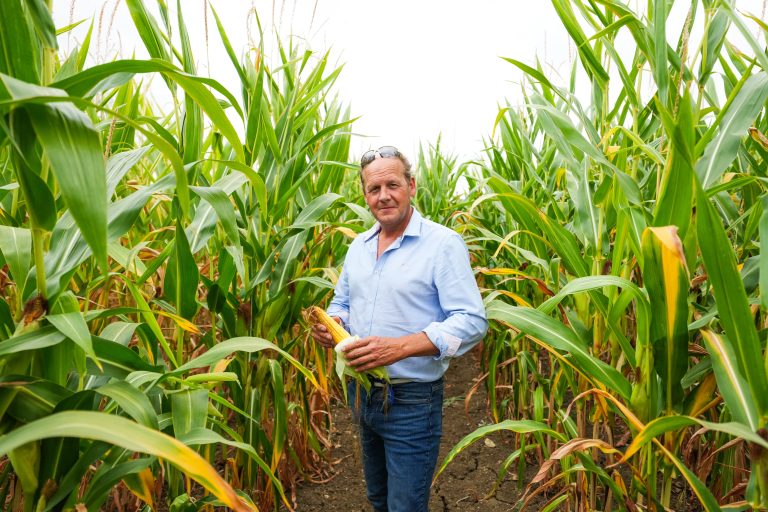
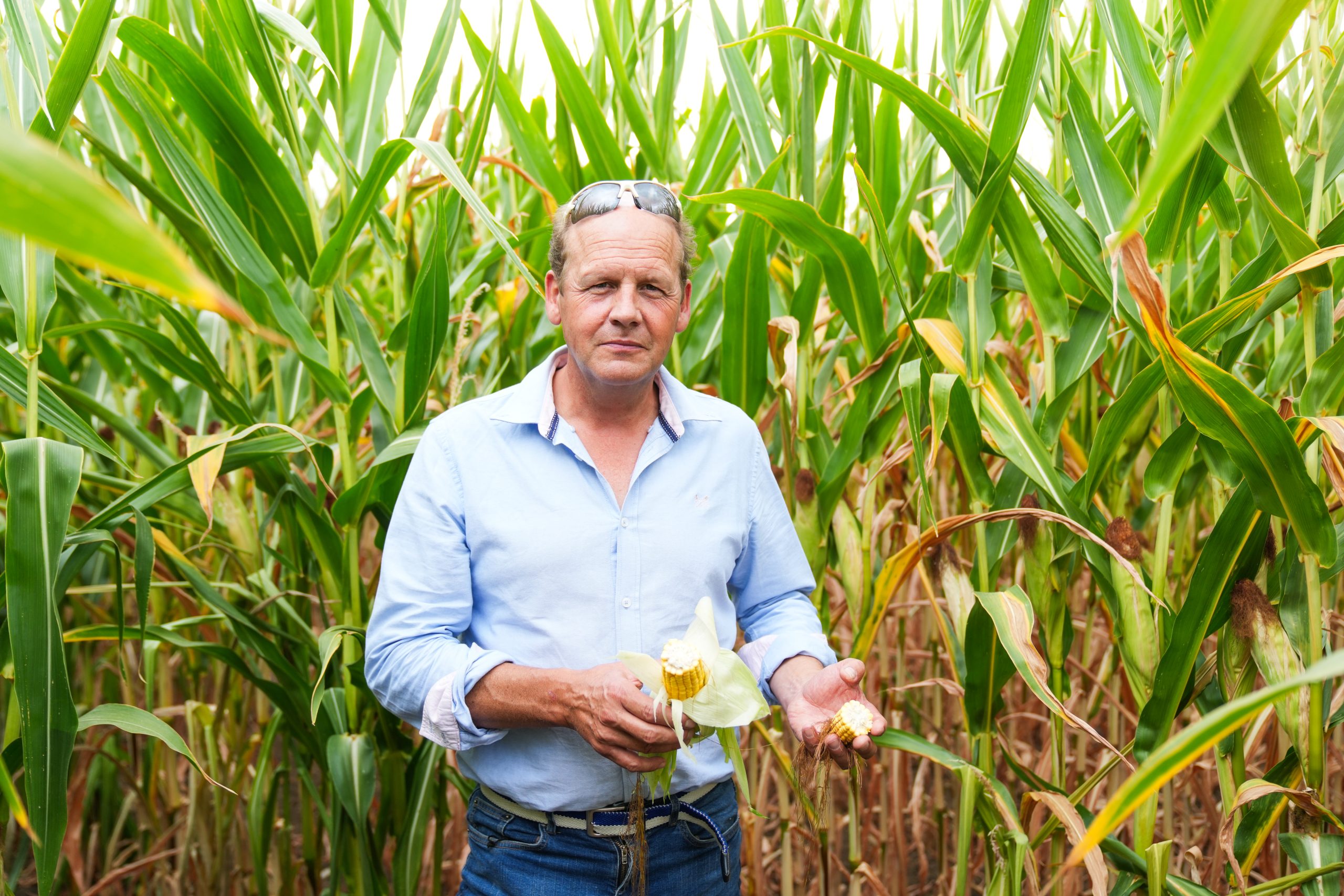
Growing maize in the Blackmore Vale, on challenging predominantly clay-based land, south Somerset farmer Paul Phillips achieves success by relying on robust early maturing varieties.
He also aims to be amongst the first to take advantage of plant breeding developments, by growing the latest top performers, as they become available, rather than necessarily always relying on older tried and trusted varieties.
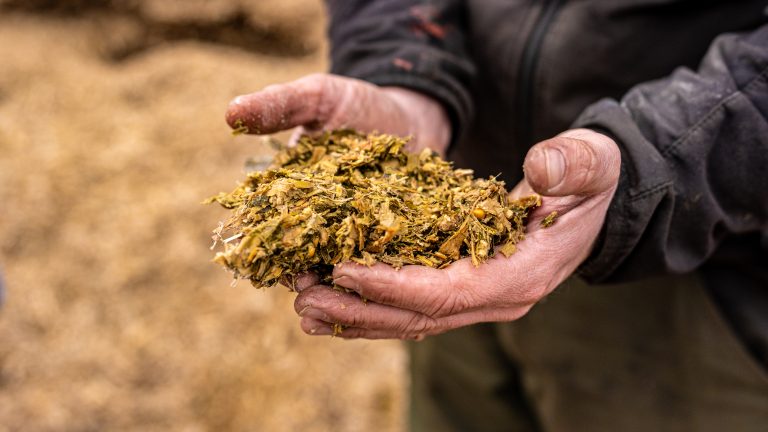
In what has been one of the more difficult seasons in memory, his strategy has certainly paid dividends, with the newly listed LG Highlight delivering a very satisfactory 15-16 tonnes/acre, despite a potentially debilitating lack of moisture that forced a harvest weeks ahead of the norm.

Paul will be growing LG Highlight again next year.
“The maize came off in the middle of August, which was at least a month earlier than we’d expect to harvest,” recalls Mr Phillips. “The crop was losing moisture quickly, so we could possibly have gone earlier still.
“We aim for 20 tonnes/acre in a good year, so to achieve over 15 tonnes/acre, at 30% dry matter, is a good result in this very dry season.
“It’s a good variety that suits our conditions, so we’ll grow it again next year.”
New Park Farm, near Templecombe, which extends to 1,250 acres in total, usually grows 100 acres of maize, alongside grass and wholecrop cereals. The maize goes into a total mixed ration for beef finishing, but is also grown as a feed stock for AD gas production. In both cases, the aim is to grow high yields, of the best quality possible, with a harvest before conditions become unworkable in the autumn.
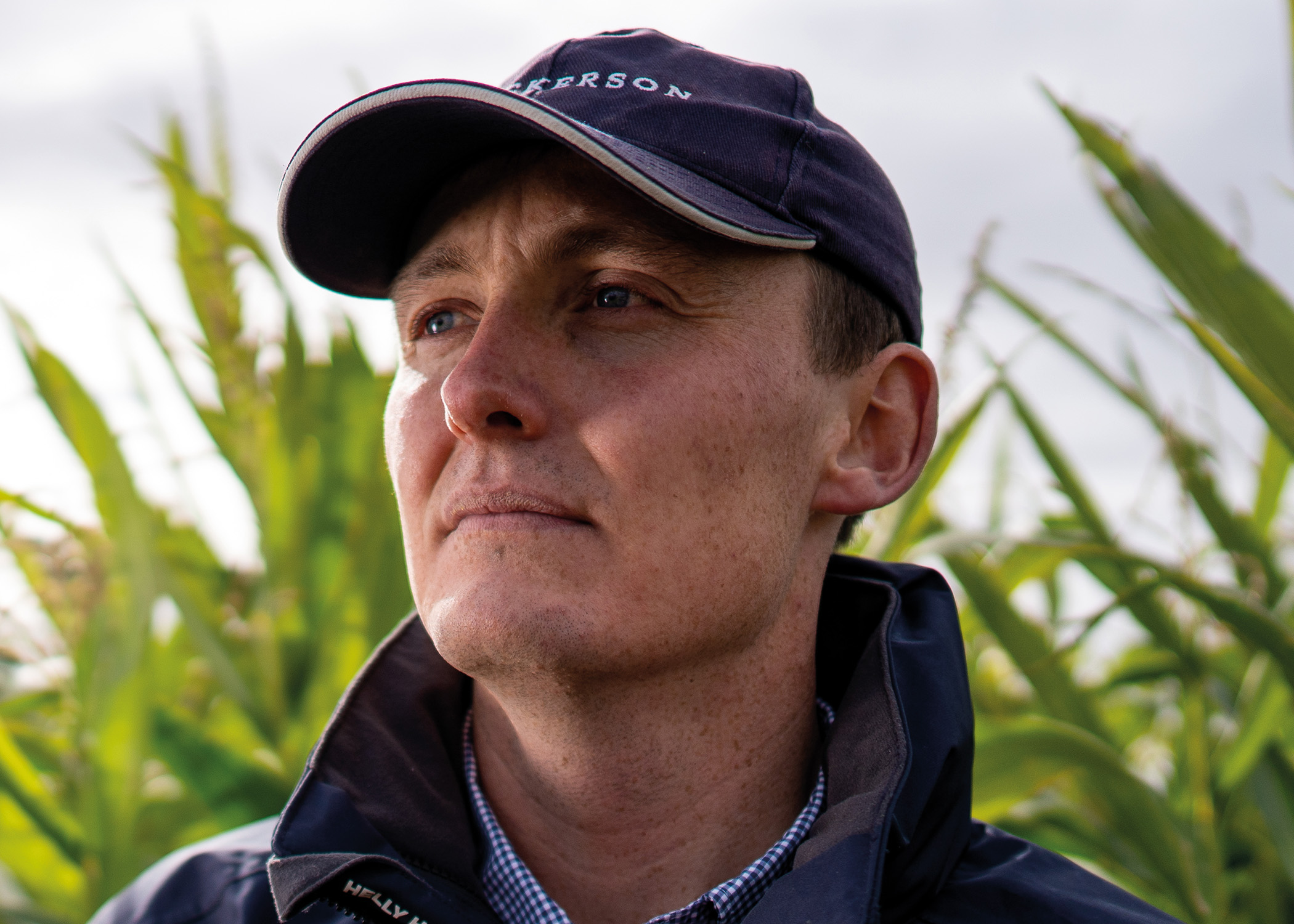
According to Nickerson Seed Specialist Fraser House, matching the variety to local conditions is a big part of the crop’s success.

Fraser believes that good management of the right maize varieties will achieve consistent results.
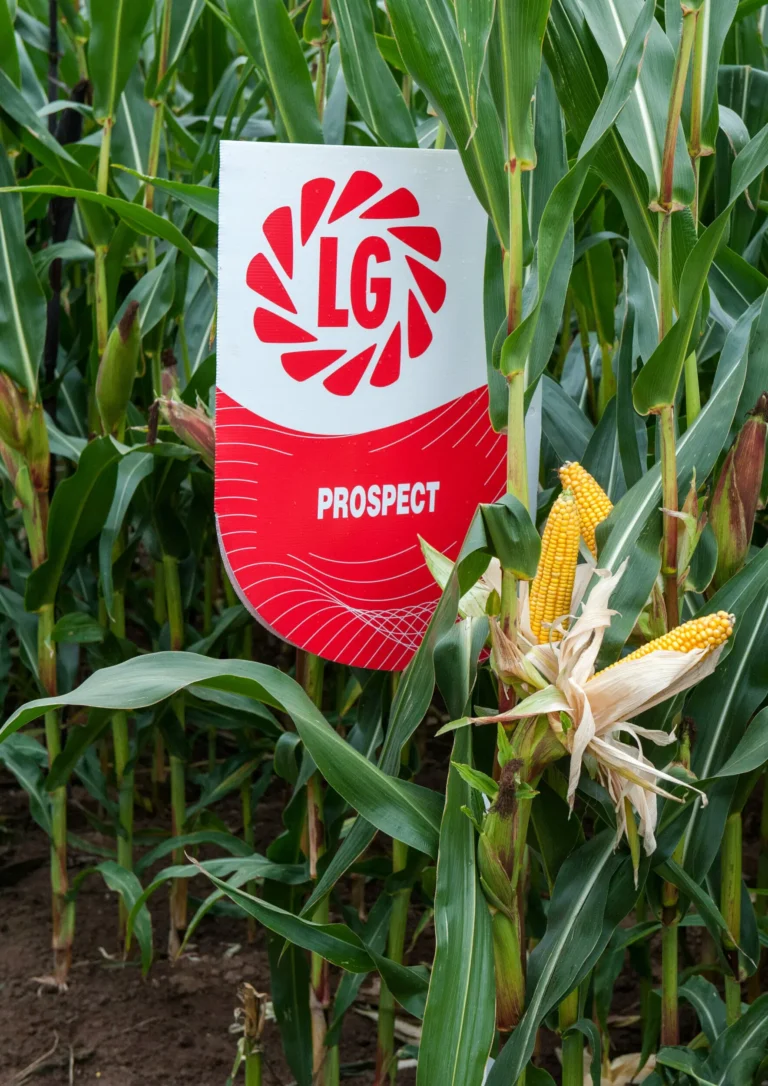
“The farm has done very well with Prospect in recent years, so we felt the new variety LG Highlight would be good progression on from that,” he says. “It has similar earliness, with an FAO of 170, and has done very well in trials. It has a slightly higher yield but with the same robustness of Prospect, demonstrating good standing ability and disease resistance qualities.
“This is not the easiest land for growing maize, being very heavy, poor draining and variable, but with the right varieties and good management it is possible to achieve consistent results, as is being shown.”
Maize is grown in rotation where possible, but may be grown continuously where circumstances dictate. Use of cover crops over the winter, typically mustard, as well as generous applications of digestate, help to maintain and improve soil health, alongside wider benefits.
“Cover crops over the winter are important, firstly as a green manure, but also to reduce the risk of soil run-off and provide habitat for the wildlife,” adds Mr Phillips. “We apply somewhere between five and seven tonnes of digestate to the acre on land destined for maize, with an application in the autumn and again in the spring. Apart from the nutritional benefits, the digestate acts as a soil conditioner, introducing valuable organic matter and improving drainage.”
All the maize land is ploughed and power harrowed ahead of drilling, which never takes place before the first of May.
“We avoid going any earlier, and always wait until soil temperatures are at an optimum level,” he adds, “as this helps us to combat what can be a significant wireworm threat. We aim to give the crop the best possible start.”
With the digestate contributing significantly towards soil nutrition, the maize requires only modest inputs of artificial fertiliser, with a standard amount of DAP applied down the spout at drilling and some nitrogen top dressed as the crop is developing. A standard pre- and post-emergence herbicide programme is applied, but no fungicides or any other inputs are needed.
Following another drought summer when growing anything has been challenging, achieving such a good return from maize provides some reassurance. With the right variety and carefully considered management, it is a crop that can deliver under the most extreme conditions.
About The Author
Fraser House
Southern Regional Manager