



Harvesting maize at the correct maturity is crucial for ensuring optimal yield, quality, and nutritional value.
Harvesting too early can lead to underdeveloped grain, lower starch and excess effluent, whilst waiting too long may result in losses of feed value, digestibility and palatability. With the very challenging conditions this year, assessing crop maturity is crucial for optimising quality. Below are some important points to consider:
Understand the Importance of Maturity
Maize maturity directly impacts its starch content, moisture levels, and overall quality. For silage, harvesting at the right stage ensures the best fermentation and feed value. For grain maize, the crop needs to reach a moisture content of 25-35% (DM of 65-75%), before being combined. The crop must be left longer in the field to dry down, to ensure maximum yield and storability.
Key Indicators of Maize Maturity
- – Kernel Milk Line
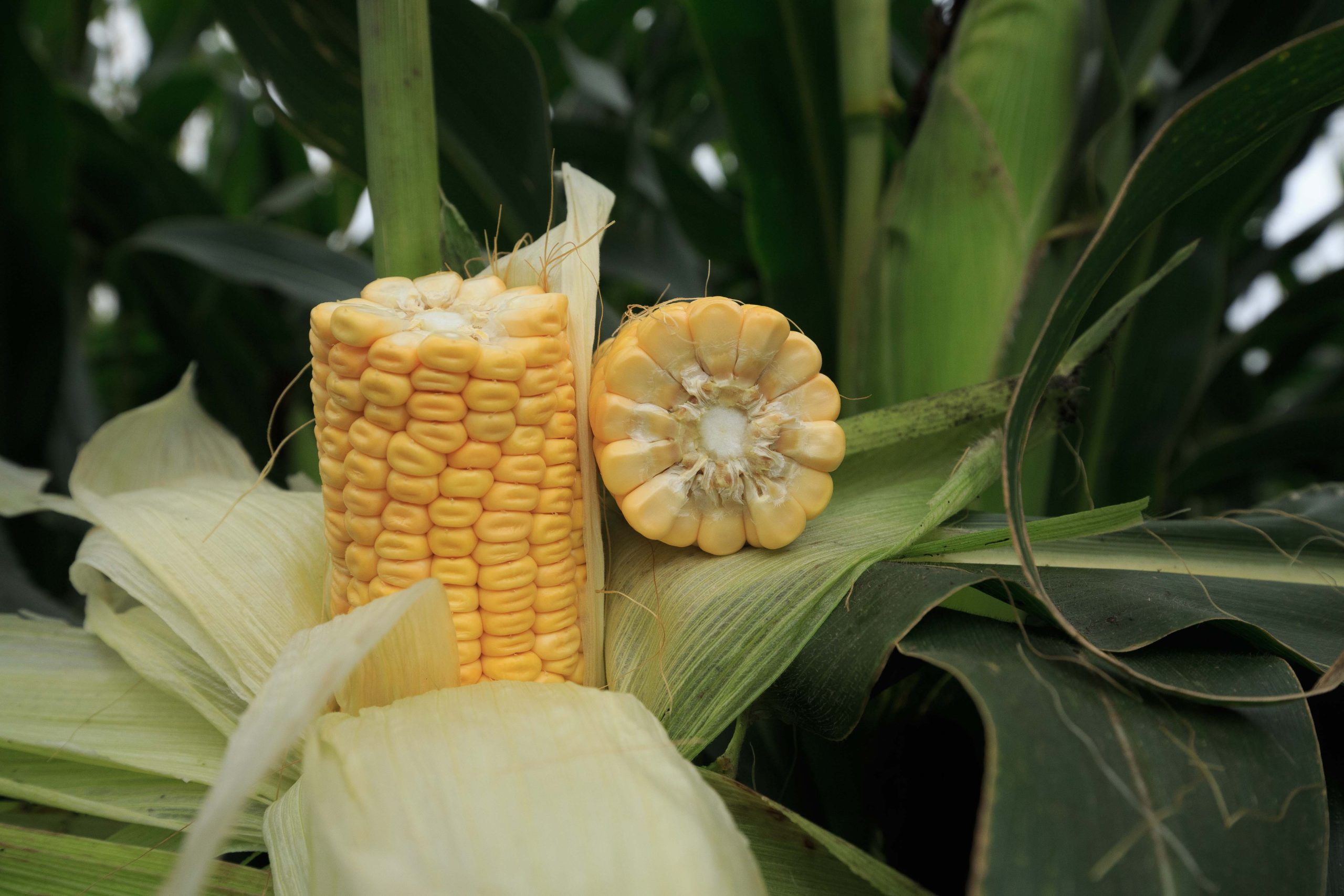
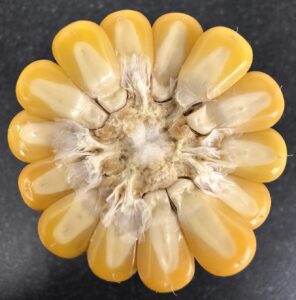
The milk line is a visual indicator of kernel maturity. It appears as a dividing line between the starchy and milky parts of the kernel. As the maize matures, this line moves from the top of the kernel toward the base. Harvest for silage is ideal when the milk line is about two-thirds to three-quarters down the kernel for silage. For grain maize, wait until the milk line disappears entirely, indicating full maturity.
- – Black Layer Formation
The black layer is a small, dark spot that forms at the base of the kernel when it reaches physiological maturity. This is a sign that the maize has stopped accumulating dry matter. For grain maize, this is the ideal time to harvest, as the moisture content will have dropped to around 25-35%.
- – Cob and Husk Appearance
Cob Colour: Mature cobs often turn from green to a reddish or brownish hue.
Husk Texture: The husks will feel dry and papery when the maize is ready for harvest.
Kernel Hardness: Mature kernels are firm and dented, with no milky liquid when pressed.
Field Observations
Uniformity: Check multiple plants across the field to ensure uniform maturity. Variability in planting dates or soil conditions can lead to uneven ripening, especially in a year such as this
Plant Health: Look for signs of disease or pest damage, as these can affect the timing of harvest. Early harvesting may be necessary in cases of severe infestation.
Timing Tips
Weather Considerations: Wet or cold growing seasons, like the one experienced in 2024, can delay maturity. Be patient and monitor the crop closely.
Harvest Window: For silage, aim to harvest within a narrow window to maintain quality. For grain maize, allow time for natural drying in the field, but avoid leaving it too long to prevent losses from lodging or pests.
Tools to Assist
LG Maize Manager App. This app is free to download and walks you through step by step to gauge plant maturity in the field. Download the LG Maize Manager App here
Visual Guides: Use charts or photos of maize at different stages of maturity to compare with your crop.
Expert Advice: Consult your local Nickerson Seed Specialist who can provide tailored advice based on your region and crop conditions.
By combining visual cues, moisture measurements, and field observations, you can make informed decisions to maximize your yield and quality.
About The Author

Simon Custance
Seed Specialist
What To Read Next