




When growing maize for grain, it is important to understand all the characteristics and possible limitations of your soil. Weather patterns and varietal choice are also key to ensuring you have a crop that is going to reach its full potential at harvest.
As a grower you consider the best site, the correct establishment method and the most appropriate varieties for your conditions. The portfolio of Limagrain varieties have been bred to be adaptable. As Nickerson seed specialists, we are well versed in the characteristics and growth habits of individual varieties within the Limagrain stable, making us best placed to advise on suitability.
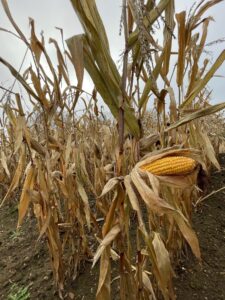 Varieties for grain maize recommended by Nickerson include LG30.179, Ambition, Promise, Prospect and our new variety LG31.160. These are all rated highly in terms of standing, disease resistance and all-important yield.
The newest grain maize variety I have to offer on farm is LG31.160. With good yields of 9.2 t/ha @ 15% moisture and reduced harvest moisture content of 24.6 % means drying costs can be lower, compared to previous varieties that are harvested wetter.
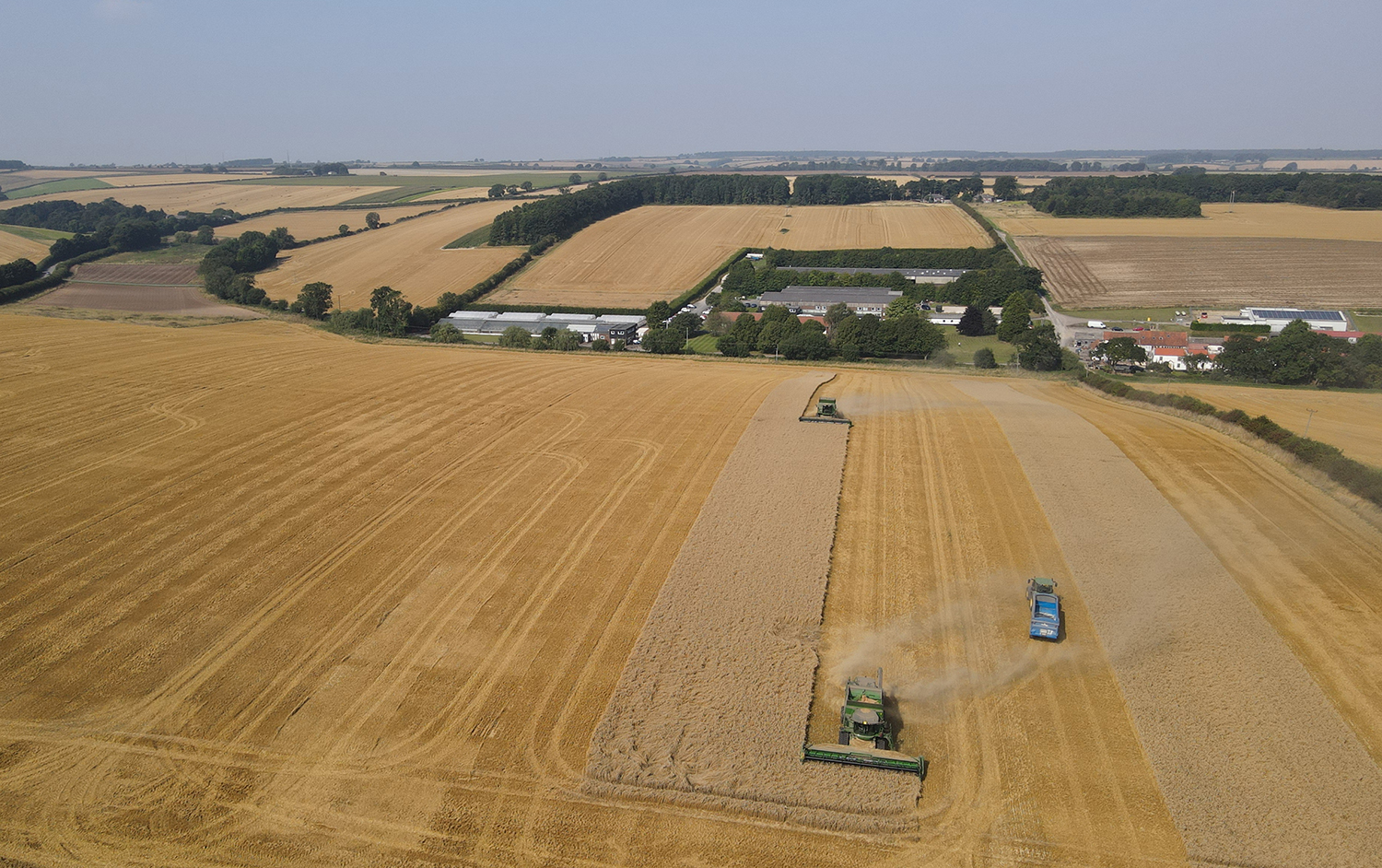
Harvesting later than forage maize, due to the time required for the grain to dry down as much as possible, can lead to combining maize in worse conditions. Having a cob that dries down rapidly without losing yield or quality is crucial. This is where LG31.160 excels with its rapid dry down characteristic.
Selecting the right site is crucial. Maize is a crop that favours sheltered locations with a south-facing aspect which will allow for earlier drilling and will maintain soil temperatures for longer in early spring. With maize being a crop so reliant on heat units, it is imperative to give the crop the best chance, given the UK’s unpredictable weather patterns.
Sheltered fields offer higher retention of heat units in the canopy as well as reduced chance of lodging. The recommended maximum altitude for maize is 1,000 feet (300m) above sea level.
Maize favours sandy/
sandy loam soils, a well aerated soil structure and no compaction. Clay soils hold water and can be slow to warm up. However, maize can be grown on soils with a clay content of up to 25% if earlier drilling is achieved.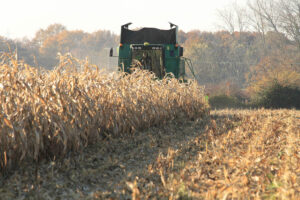
Chalk is unsuitable due to slow warm up in the spring and can reflect sunlight. However, chalk downland soils can support maize if soil depth is sufficient. Poorly aerated soils will limit root formation and can cause premature crop senescence.
Grain Maize should be drilled at a lower seed rate, around 35,000 to 37,500 seeds per acre, compared to forage maize which should be grown at around 42,000 seeds per acre. This gives more space per plant, allowing cobs to increase in size due to increased sunlight penetration into the lower canopy of each plant.
About The Author

Simon Custance
Seed Specialist