




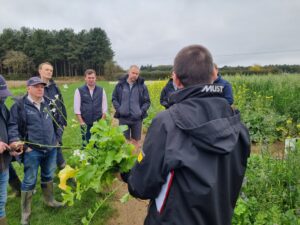
On October 29th and 30th, my Nickerson Seed Specialist colleagues and I had the privilege of attending an intensive training course at the LG Forage Crops Research Station in North Clifton, Lincolnshire. This event, led by John Spence, Limagrain Field Seed’s Forage Crops Product Manager, was an eye-opening experience into the world of alternative forage crops.
Hands-On Learning with Expert Guidance
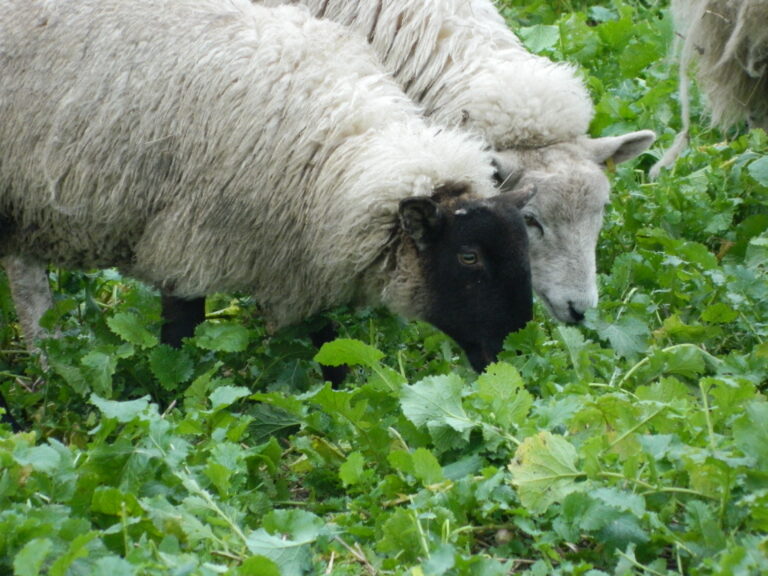
Under John’s expert guidance, we explored a variety of forage crops including fodder beet, forage kale and rape, swedes and turnips, stubble turnips, lucerne, and forage rye. The hands-on nature of the training allowed us to inspect these crops in the field, providing a tangible understanding of their growth patterns and potential benefits.
Integrating Forage Crops into Farming Systems
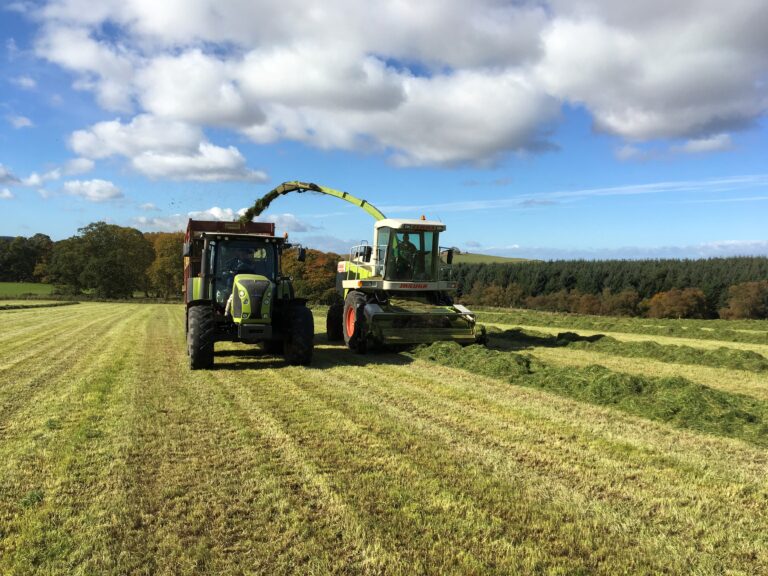
A significant part of our discussions focused on how these crops could be effectively integrated into farming systems to enhance economic returns. We delved into the importance of not only selecting the right crop but also choosing the correct variety. This selection process is crucial for optimising livestock diets and reducing the reliance on bought-in concentrated feeds.
Economic and Nutritional Benefits
The course highlighted the substantial impact that alternative forage crops can have on modern farming systems. By improving livestock diets with these crops, farmers can achieve better health and productivity in their herds, ultimately leading to improved economic outcomes. The reduction in the need for external feed inputs also presents a cost-saving advantage.
A Fascinating and Informative Experience
Overall, the training was a fascinating journey into the potential of alternative forage crops. It emphasised how these crops can play a pivotal role in sustainable farming practices, offering both economic and nutritional benefits. The knowledge and insights gained from this course will undoubtedly influence our approach to forage crop selection and integration moving forward.
More Information?
If you would like to know more about how these forages could help you on your farm please contact me on 07811 746804, david.watson@nickerson.co.uk
About The Author
David Watson
Seed Specialist