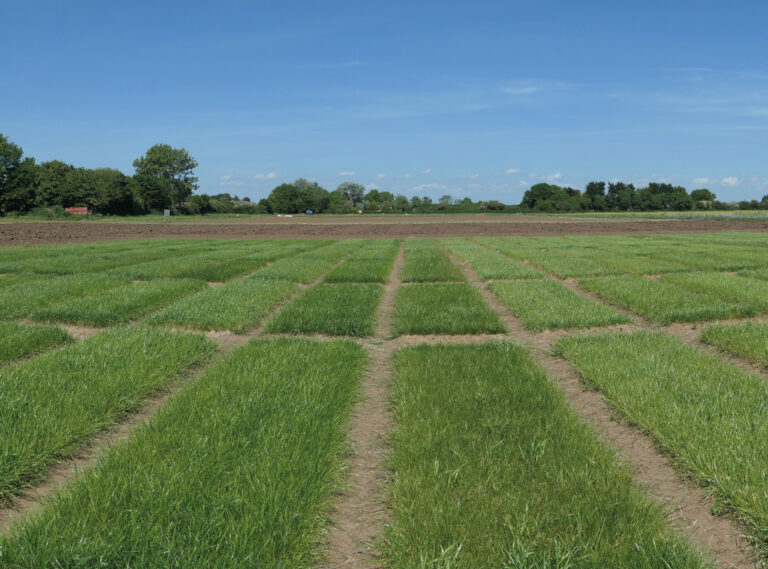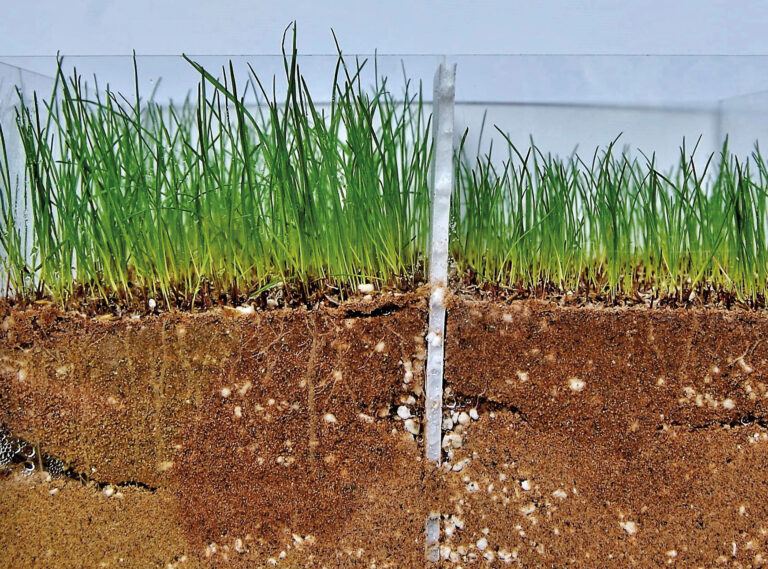





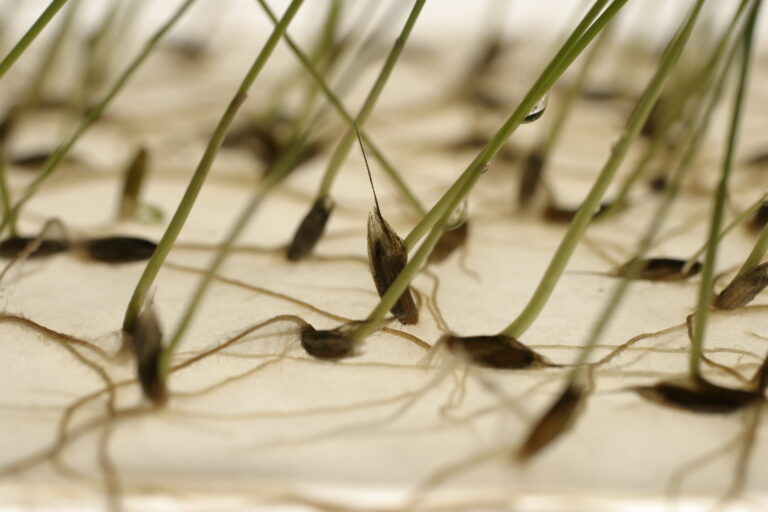
Farmers facing a shortage of home-grown forage have been advised that their situation may be redeemable. Sowing a mixture of forage rye and ryegrass as soon as rain arrives offers the potential for some autumn grazing and vigorous growth over winter. This leads to the prospect of taking a cut of silage as early as March next year.
Sean Lovegreen from seed specialists, Nickerson, says this mixed crop has the potential to grow aggressively, to bulk up well over winter and provide high quality feed for livestock.
He says the mixture offers benefits over either crop individually, as – dependent on autumn rain – the forage rye has almost guaranteed vigour and will grow at low temperatures, while a mix of Westerwold, Italian and perennial ryegrass can offer a combination of quick establishment and high metabolisable energy.
“The rye and ryegrass mix gives the best of both worlds as a straight crop of rye would be difficult to manage and ryegrass alone is unlikely to bulk up enough for an early spring cut,” he says. “Depending on sowing date you should also be able to achieve at least two grazings before Christmas, or there’s a slim chance you could even get a light silage cut in late autumn.”
The mixed crop is said to be particularly suited for growers of consecutive maize, many of whom plan or have completed their earliest ever harvest as their crops have suffered with drought.

Sean advises a mixture of forage rye and ryegrass as soon as rain arrives.
“Much of the UK’s maize, particularly across the south and east, will be harvested 4-5 weeks early to prevent its further deterioration,” he says. “Rather than leaving the land bare until the next crop is drilled, there’s an opportunity to grow a catch crop of forage for grazing or conservation over the cooler months.
“After a summer like the one we’ve had we may increasingly find the cooler months are better for exploiting some cereals’ growth.
“Forage rye in particular lends itself to this practice as it is the most cold-tolerant and winter-hardy of the cereal crops. It will continue growing later in winter than other crops and will be the first to get going in the spring,” he says. “This is unlike brassicas, which are often grown to fill a winter gap but whose growth slows down after the autumn equinox.”
Remarking that short-term grasses like Italian ryegrass seed have been in short supply across Europe for the past couple of years, he says the shot of forage rye – whose seed supply should be more plentiful – helps alleviate this problem.
However, he notes that conserving forage out of season – whether in autumn or early spring – is not without its challenges.
Preserving wet, low sugar silage
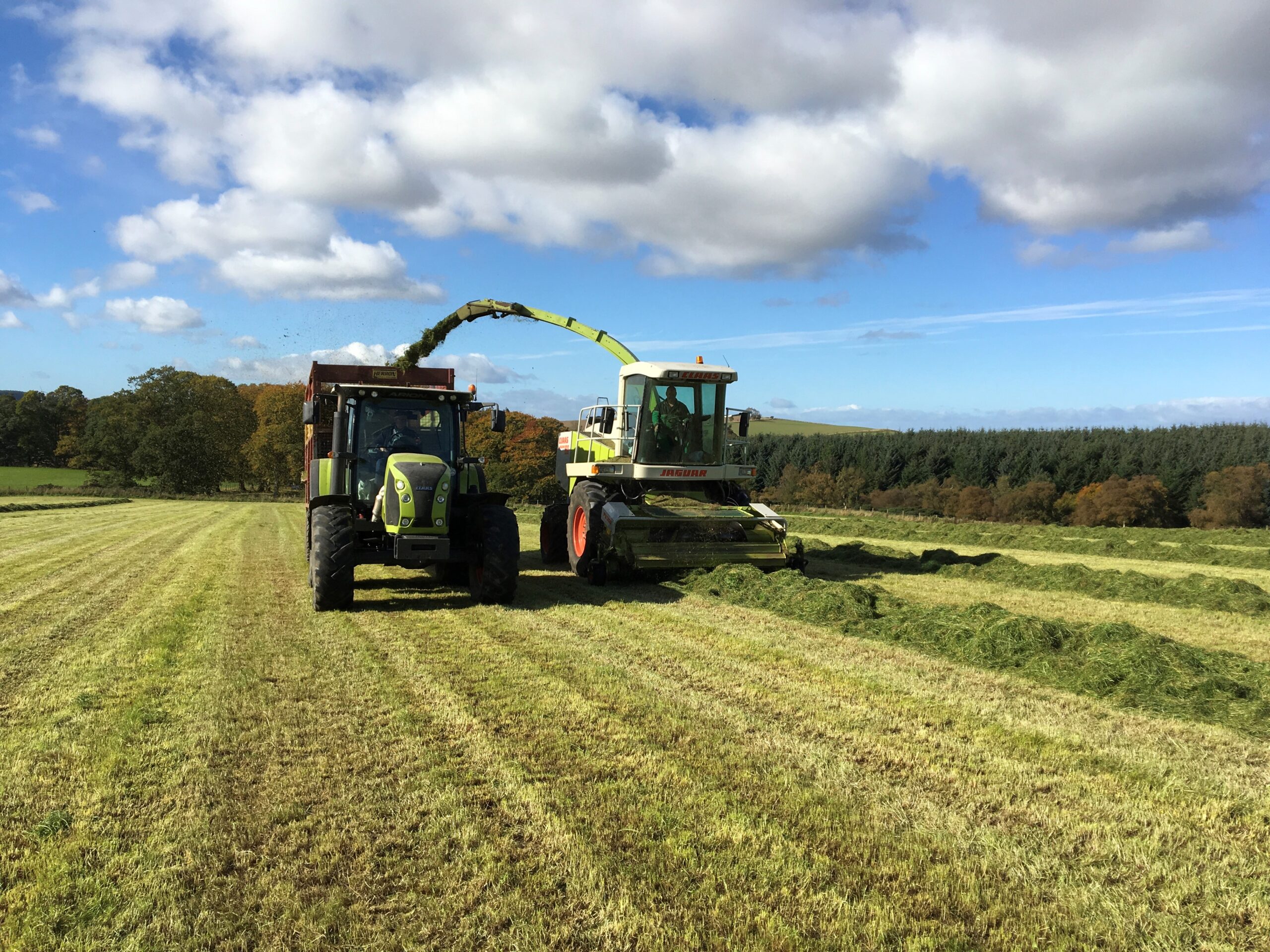
Michael Carpenter from forage preservation specialists, Kelvin Cave Ltd, says cutting a crop of forage rye and ryegrass in either autumn or early spring requires particular care as both dry matter (DM) and sugars are likely to be low.
“With modern silage preservatives there is no reason why this crop can’t be safely conserved, as long as every step is carried out correctly and precautions are taken against soil contamination, which is more likely in off-season conditions,” he says.
“The objective with low sugar, low DM crops is to achieve a rapid fermentation and stabilise the forage by developing a high concentration of lactic acid.
“However, if spoilage bacteria are not wiped out, they can dominate the fermentation and deplete the crop’s sugar, creating undesirable compounds such as butyric acid and ammonia. This will make the silage unstable, unpalatable and cause dry matter loss.
“Unfortunately, there’s a growing body of evidence indicating that bacterial inoculants cannot achieve a desirable, lactic fermentation in challenging conditions and for this reason, we’d always recommend a preservative rather than an inoculant for such situations.
“Of those we supply, I’d focus on MultiMax, as it’s been developed specifically to wipe out spoilage bacteria, especially those which develop when dry matter is low.
“It’s the only silage additive we know of which has been tested with heavy levels of soil and clostridial contamination and even in this situation, it achieves high levels of lactic acid, a rapid drop in pH and a stable fermentation.
“With its use, we have seen silage made and successfully preserved as late as the end of October or even into November, in most areas of the UK.
“This has certainly given us absolute confidence that low sugar, low dry matter autumn- or early spring-cut silage can be well-conserved, as long as the right preservative is used and good practice is followed,” he says.
Establishing the crop
Similar attention to detail will need to be paid to the crop’s establishment and growth and Sean says this should include recalculating seed rates (he recommends 50% of the full rate for each crop); drilling the rye; separately broadcasting the ryegrass; and choosing varieties carefully to maximise winter growth (he recommends Humbolt forage rye and ‘Catch Crop Circle’ for the ryegrass mix).
“Last year we put this mix into thousands of acres – much across Cheshire and Shropshire – and it worked tremendously well,” he says. “These farms went on to take heavy crops of silage, some as early as March and some in April.
“This year these farmers are asking for the same again, which tells me all I need to know,” he says. “And after the summer we’ve had and the widespread forage shortage, I believe this catch crop will be even more useful in 2026-2027 than it was last year.”
About The Author

Sean Lovegreen
Nickerson Sales Director
Sean Lovegreen started with Nickerson as an agent before quickly moving up the ranks to become the Director of Sales in 2016. With both a practical farming background and experience of running his own agricultural business prior to joining us, Sean is ideally placed to provide both farmers and colleagues with plenty of value.