




Following another hot and dry growing season across the UK, many maize crops are advancing towards maturity more quickly than expected. While crop condition is generally stronger than last season, growers need to harbour the lessons learnt from previous years when extreme weather accelerated crop development.
For farmers growing maize for silage, selecting the correct harvest timing remains one of the most important factors in achieving high-quality forage and maximising feed value.
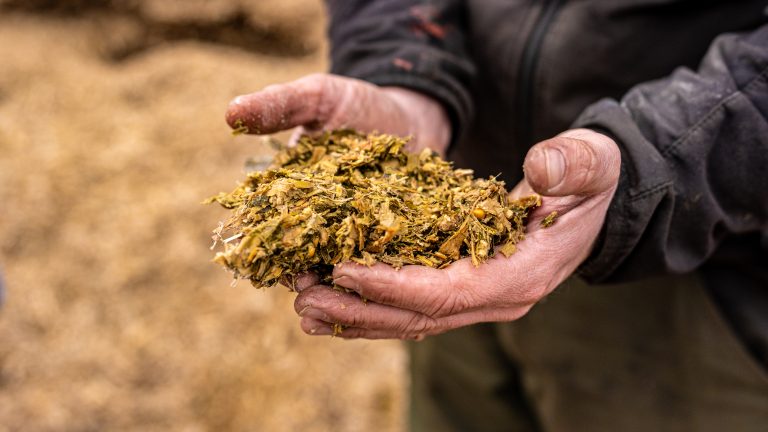
The target dry matter for most maize grown for silage, is around 30-35%. Harvesting within this window helps maximise starch content, improve digestibility and support effective clamp fermentation resulting in more consistent forage quality throughout the feeding season.
Assess Maize Maturity Carefully
Dry conditions can cause maize plants to senesce earlier than normal, making crops appear ready, well before the cob has fully matured.
Rather than relying solely on the appearance of the crop, growers should regularly assess cob maturity and monitor whole plant dry matter. The aim is to harvest a crop that still retains green leaf area while carrying mature grain.
As the grain matures, starch accumulates within the kernels, significantly increasing the crop’s energy value. Allowing the crop to reach the correct stage of maturity, ensures this valuable starch is captured without compromising clamp consolidation or fermentation.
Harvesting too early can result in lower starch levels and reduced feed value. However, delaying harvest beyond the optimum stage can reduce digestibility and make crops more difficult to chop, compact and preserve effectively in the clamp.
Why Field-by-Field Monitoring Matters
No two maize fields mature at the same rate.
Factors including, soil type, drilling date, rainfall, and variety maturity, all influence harvest timing, meaning regular field walking is essential.
Sampling representative plants and measuring dry matter, provides a far more reliable guide than judging crops from the field edge.
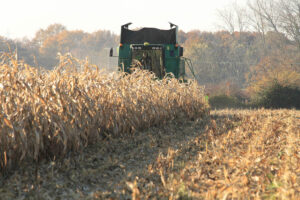
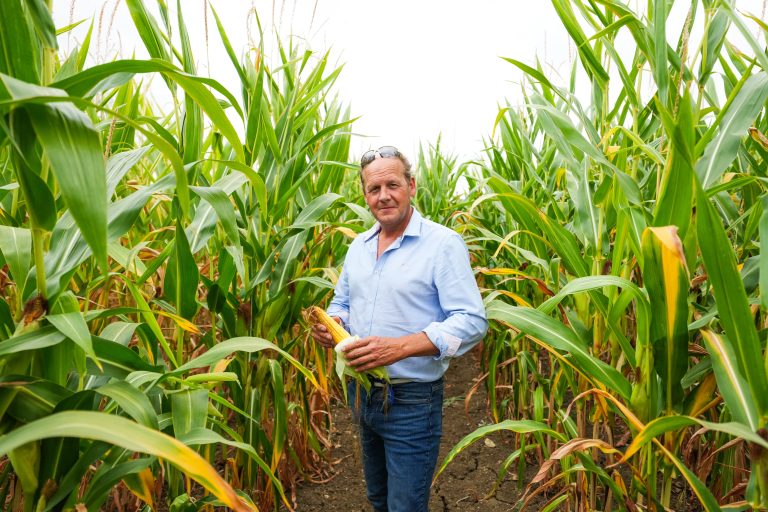
Extreme heat has led to maize crops maturing quicker than expected this season.
When is Maize Ready for Harvest?
Key indicators that forage maize is approaching the optimum harvest stage include:
– Whole-crop dry matter is 30–35%
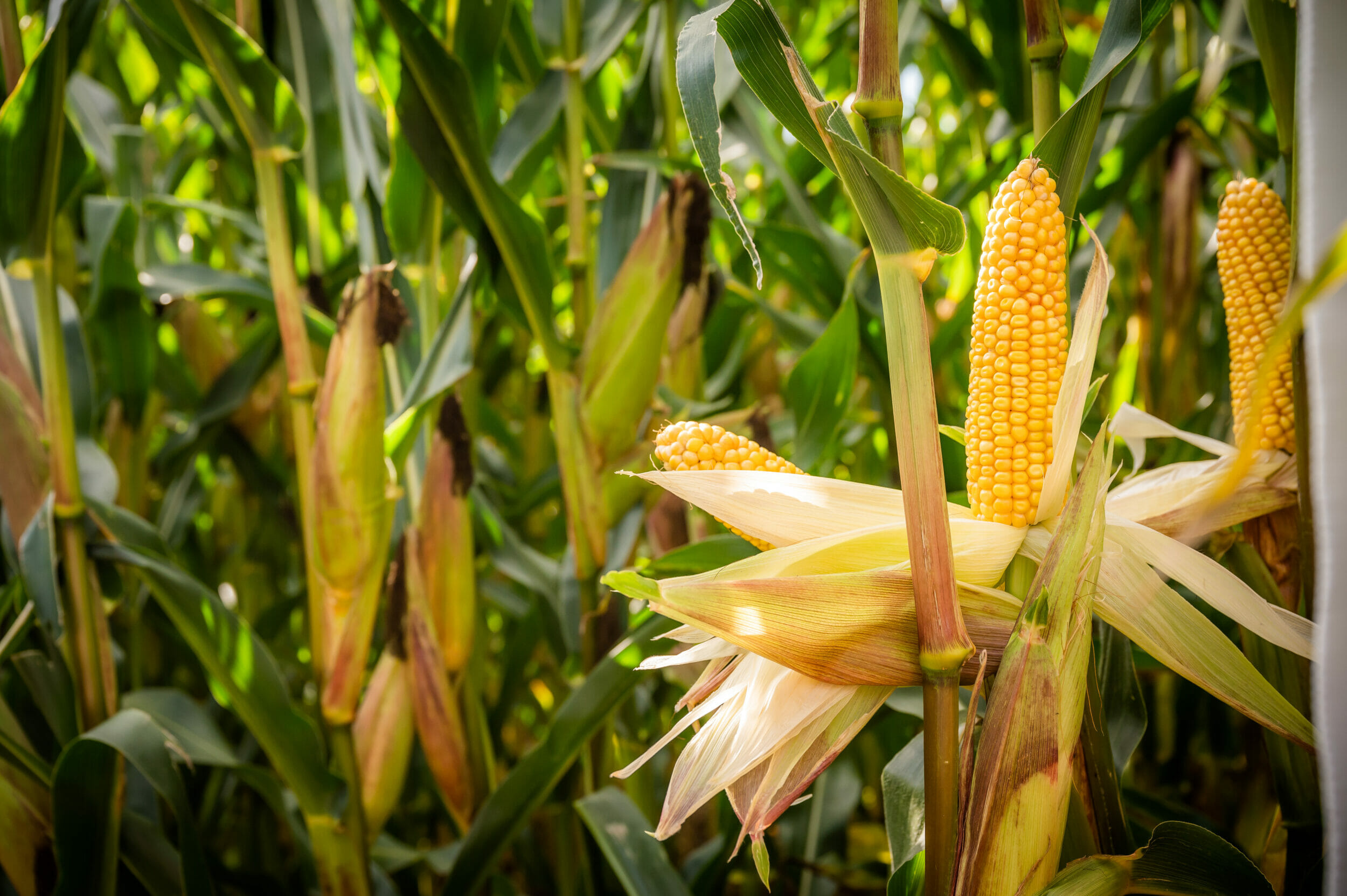
– The milk line is halfway to two-thirds down the kernel when you split a cob
– The very lower leaves are browning, but the upper plant is still green
– The cobs are full with firm, doughy kernels
Monitoring these indicators together will help ensure crops are harvested at the point where yield and forage quality are best balanced.
Maize Variety Selection Remains Critical
This season has once again highlighted the importance of selecting maize varieties with reliable maturity and strong agronomic performance.
Choosing the right maize variety for local growing conditions provides greater flexibility at harvest and helps ensure crops consistently achieve target dry matter before autumn weather becomes a limiting factor.
Earlier-maturing varieties can help reduce harvest risk, while varieties with proven forage quality characteristics can support improved livestock performance and feed efficiency.
Planning for Next Season
Successful maize production starts long before harvest. Variety choice plays a major role in determining harvest flexibility, forage quality and overall crop performance.
At Nickerson, our forage maize portfolio has been selected to deliver reliable maturity, strong silage quality and dependable on-farm performance across a wide range of growing conditions. Combined with careful monitoring of crop maturity and timely harvesting, selecting the right variety helps maximise forage quality and feed value year after year.
About The Author

Fraser House
Southern Regional Manager