





Unprecedented dry conditions last spring meant that many farms across the UK are now faced with reduced winter feedstocks.
Silage has been used on many farms to buffer feed throughout the summer, to ensure welfare and productivity from livestock, which has eaten into already reduced feed levels. September 2025 saw much of the UK have reasonably good levels of rainfall, which then led to good growth rates from grass and forage crops. This will help to prolong grazing and could offer an opportunity for a later cut of silage.
Spring 2025 was the sixth driest on record, with the UK experiencing 40% less rainfall than average. Summer 2025 also became the warmest and sunniest on record, forcing many areas into drought.
Weather patterns are becoming increasingly erratic. How can the risks be mitigated through cropping rotations?
Humbolt Rye is a forage rye variety bred specifically for UK conditions. It can be drilled from September to mid-October, and grows quickly to cover the soil over winter, helping to prevent erosion and intake leftover nutrients from the previous crop. With strong early growth, it’s ideal for early cattle turnout or zero grazing, producing around 5 to 6 tonnes of dry matter per hectare, to support reduced silage stocks.
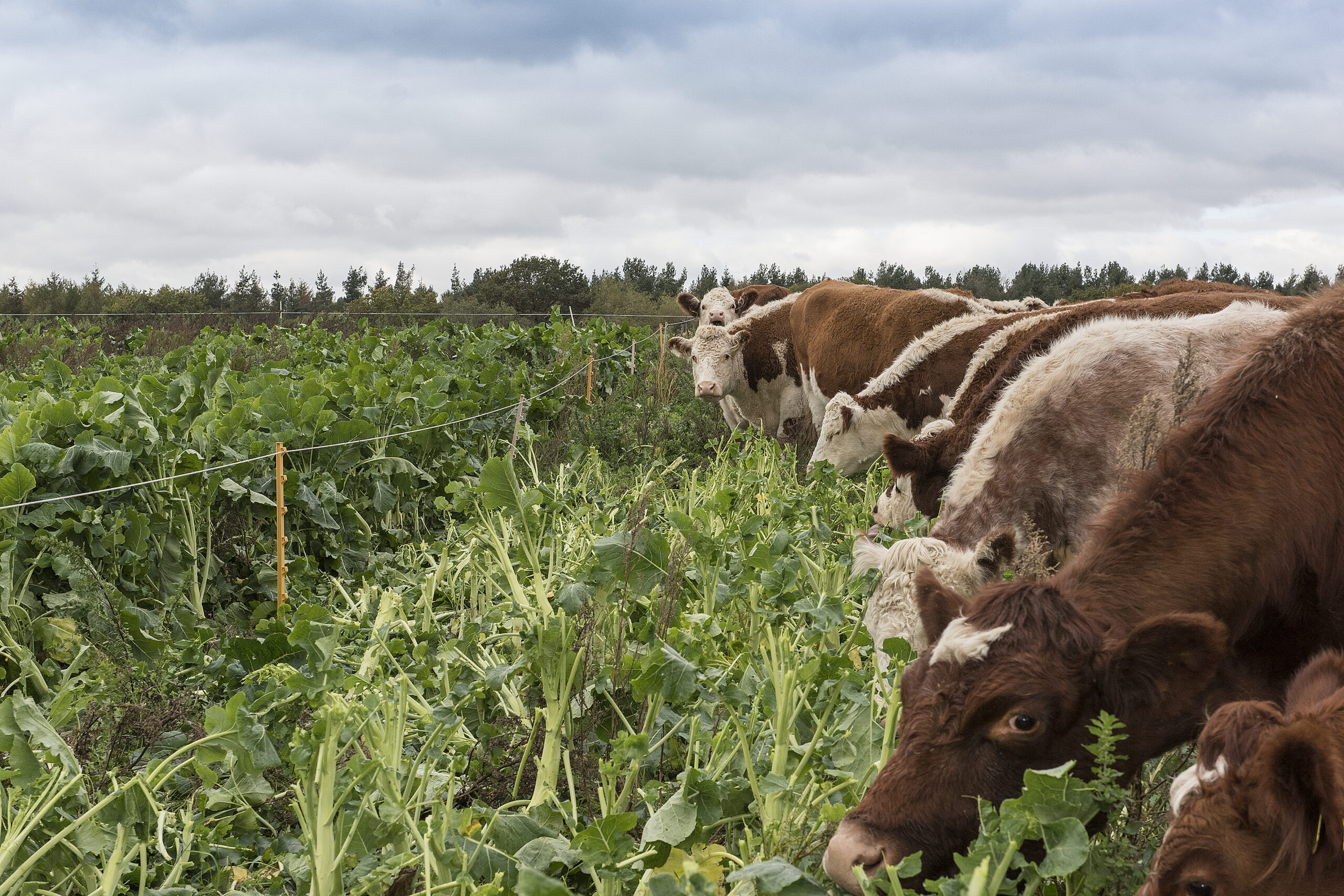
Catch Crop mixtures can be used to extend grazing in late autumn/ winter. The combination of stubble turnip, forage rape and kale, offer rapid growth, good protein and energy levels, as well as being winter hardy. It can be grazed 12-14 weeks after sowing, if sown ideally by the end of August. Mixtures such as ‘Meat Maker’, offer high yields and palatability at a good price point.
A robust reseeding programme will ensure that stocks of ensiled feed aren’t as relied upon during periods of dry weather. Grass mixtures which contain hybrid ryegrass fare better in drier periods, due to their deeper root systems. Grass mixtures that contain high yielding, intermediate varieties of ryegrass will also offer earlier growth, reducing the pressure in spring for prolonged feeding of silage.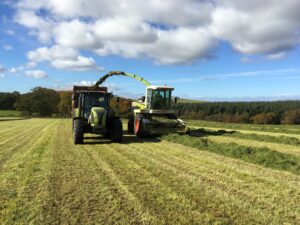
The Nickerson Circle Ley grass range offers grass mixtures to suit a range of systems. Long term mixtures, to increase yield and quality, as well as shorter term leys, to follow crops of maize, with subsequent high yielding grass crops to increase silage stocks. Our unique GPA dressing will assist with increased germination rates and greater root mass, ensuring the ley gets off to the best start possible.
For more information about planning your rotation to cope with periods of challenging weather patterns, please don’t hesitate to contact your local Nickerson Seed Specialist.
About The Author

George Hall
Seed Specialist
What To Read Next