


The closure of the Sustainable Farming Incentive (SFI) scheme may have taken the shine off growing herbal leys, but it does give us the opportunity to weigh up their value when it comes producing high yields of top quality forages.
The suspension of applications for the SFI in early March came as a blow for those farmers who hadn’t already applied or been accepted for the scheme.
“There’s no denying that the payments were appealing to livestock farmers, when input prices were, and continue to be, highly volatile, and weather patterns create more challenges and uncertainty in seasonal grass growing patterns,” says David Watson, North of England seed specialist for Nickerson.
“The certainty of £382 a hectare ‘in the bank’ for growing a herbal ley is attractive, and at the same time there are benefits from improved soil structure, reduced inputs and an extended grazing season in many cases.”
While the value of the herbal ley to soil health, and its reduced reliance on fertilisers are among the benefits of growing the crop, it doesn’t compete in yield or feed value with a quality perennial ryegrass sward.
“The herbal ley can provide good grazing for young stock and dry cows in fields away from the dairy platform, and some will use it for cutting and making into silage, he adds.
“Given the difference in yield and feed value, it would be very difficult to get the energy out of a standard herbal ley to support cows yielding 8,000 plus litres of milk.
“Their suitability for high production and housed herds, or those running an intensive grazing management system, should be weighed up and compared to alternative grass seed mixtures.”
Energy price tag
He illustrates the importance of forage energy production – a crucial part of improving milk or meat from home grown forage – by comparing the productivity of new and old perennial ryegrass swards.
A new ryegrass sward in its first and second year should yield 13.5 tonnes of dry matter per hectare at 12.0 ME, producing 162,000 megajoules of energy.
The ME of a 10-year-old sward, with a much lower per cent of perennial ryegrass, is likely to produce only 7 tonnes of dry matter a hectare and 10.8ME, yielding 76,000 MJ of energy.
“The difference is 86,000 MJ. This shortfall in energy is equivalent to the energy from 7.3 tonnes of wheat. Taking a price of £200 a tonne, this would add £1460 a hectare to costs to gain the same energy in feed.”
“We need to consider the difference in production between swards of different qualities and potential.”
In the case of a herbal ley in the SFI scheme, the lower productivity should be offset against the £382 a hectare payment.
“We should also consider the shorter sward longevity of a herbal ley and the decline in species diversity when we consider costs verses benefits,” he adds.
Those who have not gone down the SFI route, or have missed out, can reap rewards. “Evaluating their grassland and estimating perennial ryegrass content – which should be above 70%, and making improvements to those swards needing some TLC will improve forage productivity on the farm.
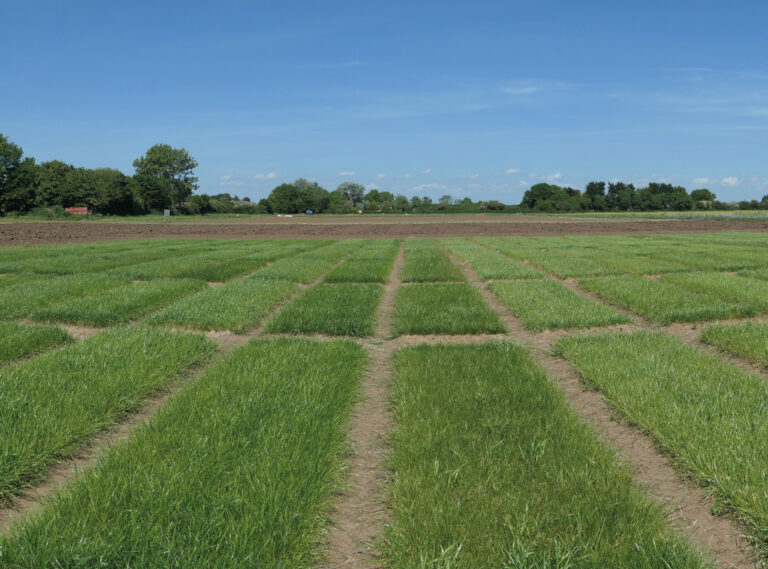
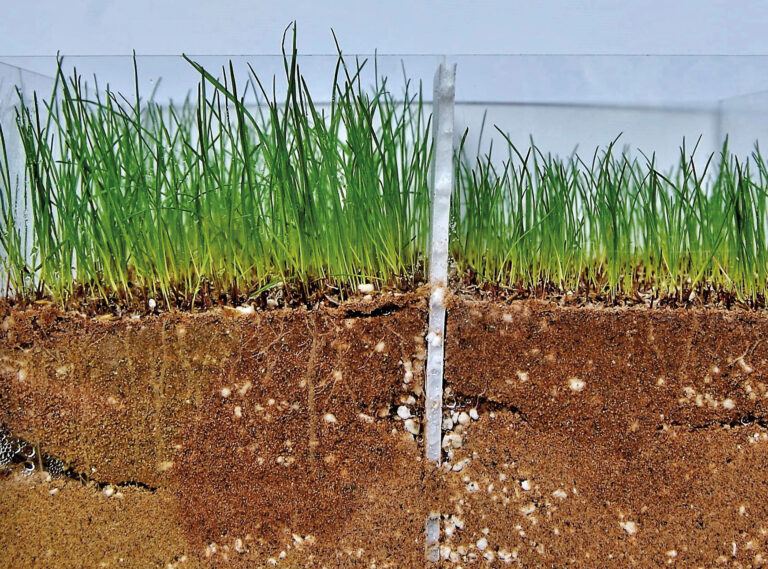
“Trials continue to show that new leys will yield up to five tonnes of dry matter per hectare more in their first year than a four-year-old ley. This means reseeding typically pays for itself in yield value within the first two years.
A reseed also offers the opportunity to introduce clover. A typical grass ley with 30% white clover can fix 180kgN per hectare. Based on a urea cost of £748 per tonne, this is worth around £305 per hectare.
Clover-rich swards can remove the need for nitrogen applications throughout the ley’s lifespan, and there may even be residual nitrogen left for the following crop. And if a full reseed isn’t a suitable option, pelleted clover is a great way to overseed into an existing ley.
“A more intensive approach to grassland management could be more cost-effective. And maximising home-grown forage production has cost and environmental benefits over bought in feed products.”
Pick a mix
Choice of seed mixture will affect both yield and feed value, and when it comes to selecting perennial ryegrass mixtures, farmers can ‘cash in’ on well-designed, tried-and-tested mixtures shown to out-perform standard mixtures.
“It’s worth paying that small premium,” adds David. “The cost of preparing land and sowing the crop is the same, and the seed cost is only a small proportion of the total process, so the extra cost here will pay for itself in better yield and quality.”

“There’s a lot of knowledge and research that’s used in formulating grass seed mixtures, using recommended varieties that perform well in their own right and compliment other varieties in the mixture.
Extensive Limagrain field trials have shown that new, top-yielding varieties, will outyield mixtures with older varieties, even at lower nitrogen rates. So even if it is necessary to cut back on application rates, a new ley, with the latest varieties will yield better than older mixtures or varieties. Nickerson Circle Leys – with the Red, Gold and Green Circle mixtures ideal for dairy; the choice depending on the required duration of the ley.
“These field trial results also demonstrate a mixture’s suitability to different conditions and uses – cutting, grazing and dual purpose. We can use this information to advise the best choices for the system and the farm,” he says.
And although payments have also ceased for including legumes – typically clover in grass leys, there are still advantages of including it in the sward, either in the grass seed mixture or oversown once the grass is established.
“Clover will add feed value and promote intakes and fix nitrogen in the soil – it brings many benefits.”
The knowledge and choice of species and advancements in varieties available in perennial grass seed mixtures is limited in herbal seed mixtures.
“Although some companies now offer more specialist herbal seed mixtures, many just ‘tick the boxes’ with the required number of herbs in the mix and less productive grasses that don’t compete against the herbs and legumes within that mix. And there’s often limited knowledge on their performance and feed value,” says David
While herbal leys can be attractive – particularly if payments are available, the pros and cons need weighing up to make sure the right decisions are being made. And for those not involved in the SFI scheme, all is not lost. There are worthwhile rewards to be had in selecting high quality mixtures and in reseeding or oversowing with perennial ryegrass mixtures as part of the grassland rotation.